In today’s competitive marketplace, packaging isn’t just about appearance; it’s about safety, trust, and maintaining product quality from the factory shelf to the consumer's hands.
Packaging technology has evolved significantly to meet rising consumer expectations for safety and convenience. One widely adopted method is induction sealing packaging, which creates a secure, tamper-evident seal on containers using electromagnetic induction. Industries now rely on this technology to ensure products remain fresh, uncontaminated, and protected throughout storage and transportation.
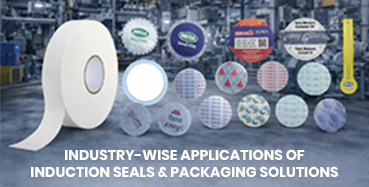
At its core, induction sealing packaging uses a foil liner placed inside a container cap. When exposed to an induction sealing machine, electromagnetic energy generates heat that bonds the foil to the container opening. This process creates an airtight seal without direct contact, reducing contamination risks and improving packaging reliability across industries.
Safety is critical in consumables, which is why induction sealing in food packaging has become standard practice. From sauces and dairy products to beverages and edible oils, sealed containers help maintain freshness while preventing leaks or spoilage during distribution.
Another major advantage of induction sealing in food packaging is extended shelf life. Airtight sealing prevents exposure to oxygen and moisture, which helps maintain flavour, texture, and nutritional value. Consumers also perceive sealed products as safer, strengthening brand credibility.
Industries dealing with sensitive or hazardous products benefit greatly from induction sealing packaging. Pharmaceuticals require tamper-evident closures to comply with safety regulations, cosmetics need leak prevention for lotions and creams, and chemical products rely on secure seals to avoid spills and contamination.
During transport, containers often face temperature variations, vibration, and handling stress. Induction sealing packaging helps maintain product integrity by preventing leaks and preserving internal quality. This not only reduces wastage but also enhances brand reputation and customer satisfaction.
Packaging technology continues evolving toward eco-friendly materials and efficient sealing processes. Increasingly, induction sealing in food packaging is being combined with recyclable liners and lightweight containers to balance safety with sustainability goals.
Many companies worldwide offer advanced sealing solutions tailored to different sectors. One such example is Metro International L.L.C., known for providing reliable packaging components and sealing materials that help businesses enhance product protection and operational efficiency.
As industries prioritise safety, freshness, and consumer trust, induction sealing packaging continues to prove its value across sectors. Whether for food, pharmaceuticals, cosmetics, or chemicals, this technology ensures product integrity while strengthening brand reliability. If you’re looking to upgrade your packaging strategy with dependable sealing solutions, now is the time to explore professional options and invest in smarter packaging for long-term business growth.