In the packaging world, sealing plays a crucial role in product integrity, shelf life, and consumer satisfaction. Two popular methods induction sealing and heat sealing offer distinct advantages depending on the product type and packaging goals. Making the best decision for your company can be aided by being aware of their differences.
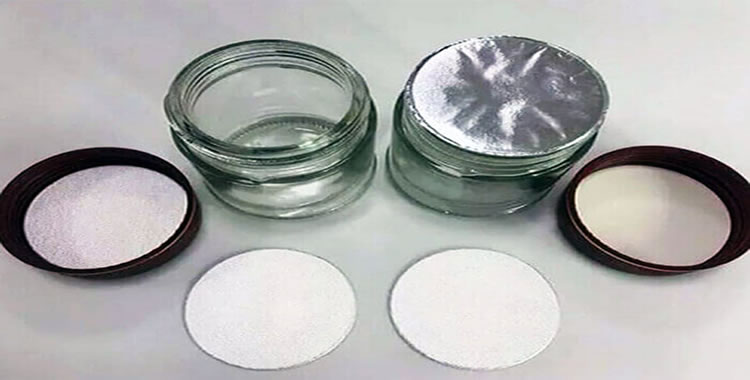
Induction sealing is a non-contact method that uses electromagnetic induction to seal a foil liner onto the mouth of a container. When the container with a foil-lined cap passes under an induction coil, it generates heat that melts the liner's adhesive, bonding it to the rim of the container. The food, pharmaceutical, cosmetic, and chemical industries all make extensive use of this technique.
Benefits:
• Leak-proof and tamper-evident seal
• Preserves freshness and extends shelf life
• Suitable for a wide range of plastic and glass containers
• Quick sealing time with minimal heat exposure to product
Limitations:
• Only works with containers that have induction-compatible caps and liners
• Initial equipment cost is relatively high
Sealing is essential to product integrity, shelf life, and customer satisfaction in the packaging industry. It’s common in flexible packaging like sachets, pouches, and blister packs.
Benefits:
• Ideal for flexible packaging
• Simpler equipment and lower initial cost
• Excellent for sealing a variety of film materials
Limitations:
• Direct heat contact may affect sensitive products
• Not always tamper-evident
• Less suitable for rigid containers
The best sealing method depends on your product, packaging type, and industry requirements. For delicate or liquid products that need an airtight, tamper-evident seal, induction sealing is perfect. It's particularly effective for bottled items like oils, syrups, and chemicals. Heat sealing, on the other hand, is best for single-use, flexible packages such as food pouches, medical kits, and snacks.
Both induction and heat sealing offer reliable solutions, but the right choice hinges on your packaging format and sealing goals. If your priority is product safety, leak prevention, and professional presentation, induction sealing is likely the better fit. For simple, cost-effective packaging of flexible materials, heat sealing does the job well. Choose wisely based on your specific needs to ensure optimal performance and customer satisfaction.