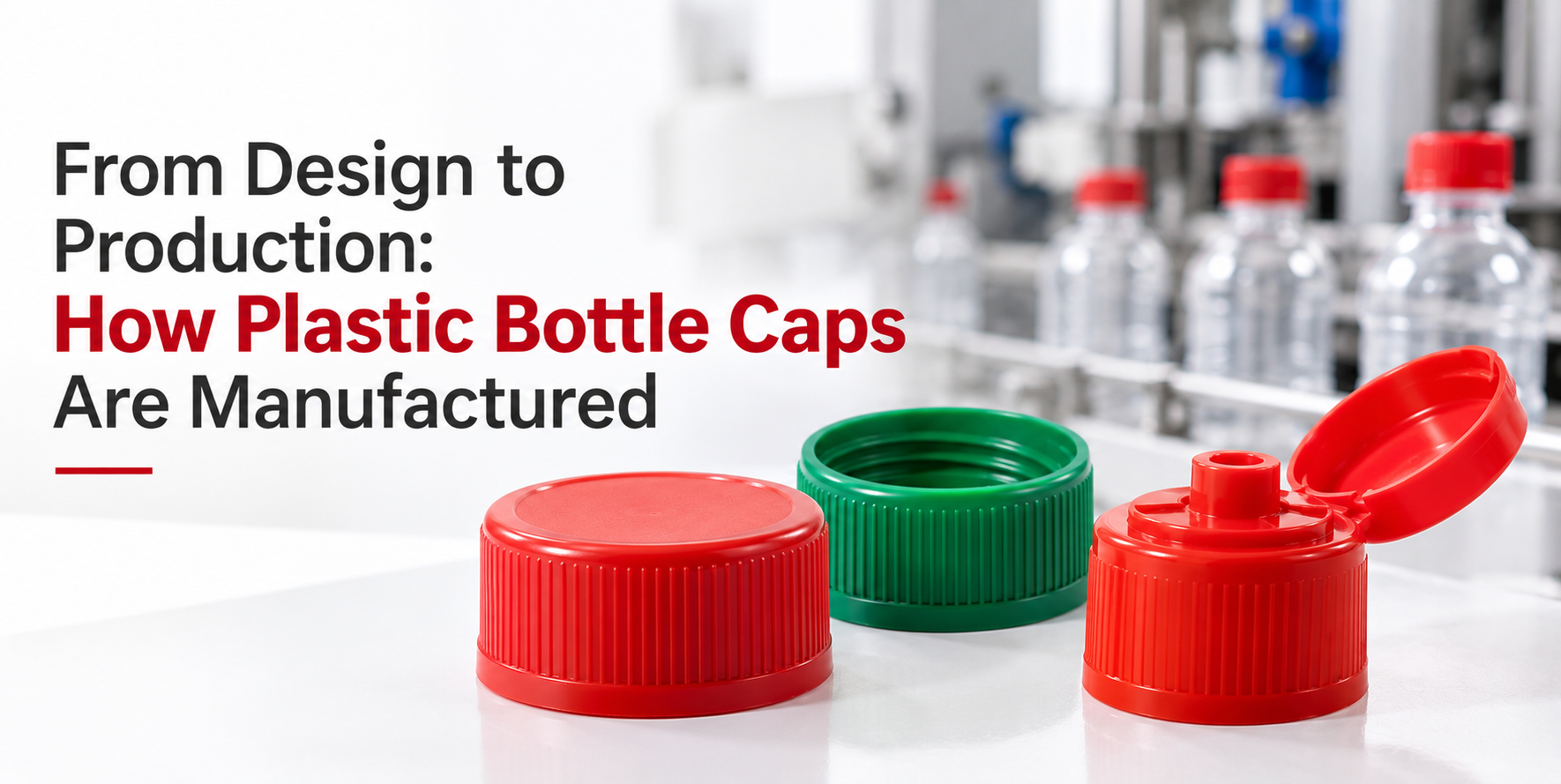
When people think about packaging, they usually picture the bottle, container, or label first. The cap may seem like a small part of the package, but it plays an important role in keeping the product secure from the time it is filled until it reaches the end user.
For businesses that package water, lubricants, edible oils, cleaning products, chemicals, cosmetics, and other liquids, choosing the right plastic cap manufacturers can make a real difference. A closure needs to fit the container properly, seal the product securely, and work smoothly with the packaging process.
For companies sourcing packaging components in the UAE, the decision should not be based only on appearance or price. The material, design, dimensions, application, and consistency of the closure all deserve attention.
A good closure is one that works as expected with the container it is designed for. That sounds simple, but several details need to come together to make it happen.
The cap needs to match the container's neck, the threads need to engage correctly, and the sealing surface needs to provide the required closure. The design should also suit the way the product is filled, transported, stored, opened, and used.
Depending on the application, businesses may look for: A consistent fit with the container Suitable sealing performance Correct thread dimensions Appropriate material selection Easy opening and closing Resistance to normal handling conditions Compatibility with filling and capping equipment
These details become even more important when thousands or millions of containers are being packaged. A small variation in a closure can become a much bigger issue when it is repeated across a production line.
One of the first things packaging companies should look for is consistency. When closures are being purchased in bulk, each cap should meet the required specifications.
Think about a bottle moving through an automated capping line. The cap needs to reach the bottle correctly, engage with the thread, and be tightened to the required level. If dimensions vary significantly, the production process can become more difficult to manage.
Consistent manufacturing helps packaging teams maintain a smoother process and reduces the chances of problems caused by variations in closure dimensions.
There is no single closure that works for every packaging application.
A bottle of mineral water has different requirements from a container of industrial lubricant. Similarly, a household cleaning liquid may need a different dispensing arrangement from an edible oil or chemical product.
This is where plastic cap manufacturers need to understand the application rather than simply supplying a standard cap. Depending on the packaging requirement, a closure may include features such as a spout, valve, dispensing opening, or other functional design.
Metro International offers plastic closures for PET and HDPE containers, including different configurations designed for various packaging applications.
The plastic used for a closure also matters. A cap used with a particular liquid needs to be appropriate for the product and its expected storage and handling conditions.
For example, packaging for industrial chemicals may have different requirements from packaging used for food or household products. Temperature, product characteristics, transportation conditions, and storage can all influence the selection.
It is therefore better to discuss the actual application with the supplier instead of choosing a closure based only on its size or appearance.
Quality control is another important part of closure manufacturing. A cap can look perfectly fine but still have issues with dimensions, threads, sealing surfaces, or molding.
Regular checks during production can help identify such variations and maintain the required specifications.
Metro International states that its products undergo quality checks focused on performance, safety, and durability. Its group information also describes plastic injection molding activities for closures used with lubricant, chemical, juice, and water packaging.
Finding a suitable supplier is about more than comparing different cap designs. The supplier should understand how the closure will actually be used.
Before selecting a cap, understand the container it needs to fit.
Check the bottle material, neck size, neck finish, and thread specification. Two bottles can look almost identical while having different neck designs, which means their closures may not be interchangeable.
Getting these details right at the beginning can save time and prevent unnecessary packaging changes later.
Consider how the product needs to be used.
A simple screw cap may be enough for one product, while another may need a spout or dispensing feature. For products that are poured frequently, a suitable dispensing design can make handling easier.
The closure should therefore serve a practical purpose rather than being selected simply because it looks suitable.
For liquid products, sealing is one of the most important considerations.
The cap and container need to work together to create the required seal. Depending on the application, an additional liner, wad, induction seal, or similar component may also be required.
Metro International's packaging guidance points out that the cap thread should match the container neck finish and recommends evaluating the complete cap-and-container combination.
A closure may fit the bottle but still create problems if it does not work well with the packaging equipment.
Businesses using automated filling and capping lines should consider factors such as cap dimensions, application torque, and how the closure is handled by the equipment.
Discussing these requirements with the supplier before placing a bulk order can help identify potential issues early.
Packaging requirements can change from one product to another. A supplier who understands the specifications and communicates clearly can make the procurement process easier.
For businesses in Dubai and other parts of the UAE, this can be especially useful when several container sizes or closure formats are being used.
Before finalising a closure, it helps to work through a few simple checks.
Start with the product. Water, edible oil, lubricants, cleaning liquids, chemicals, and other products may have different packaging requirements.
Check the container's neck finish, opening size, and thread dimensions. These details determine whether a closure will fit properly.
Determine whether a standard screw cap is enough or whether the packaging needs a spout, valve, or another dispensing feature.
Consider whether the packaging requires a liner, wad, induction seal, or another sealing component.
If caps will be applied automatically, confirm that their specifications are suitable for the equipment being used.
Whenever possible, test the cap with the actual container. This can reveal fit, sealing, and handling issues before a large production run begins.
Record important details such as dimensions, material, closure type, container compatibility, and intended application. Having clear specifications makes communication with suppliers much easier.
A closure may be small, but problems with it can affect much more than the cap itself.
If the fit is incorrect, a production line may experience interruptions. If the sealing arrangement is unsuitable, liquid may leak during transportation or storage. If the cap is difficult to open or close, it can also create frustration for the person using the product.
This is why it helps to look at the complete packaging system.
Instead of asking only, “Which cap do we need?”, packaging teams should also consider the bottle, product, filling process, capping equipment, storage conditions, and end use.
That approach gives suppliers more useful information and makes it easier to identify a closure that fits the actual application.
Metro International LLC has been operating in the UAE since 1995 and provides packaging components for a range of industries and product applications. Its website lists solutions for lubricants, edible oils, cleaning products, condiments, mineral water, cosmetics, paints, and other packaged products.
Its product range includes plastic closures, metal closures, induction seals, EPE wads, household liquid closures, and other packaging components. Plastic closure options are available for PET and HDPE containers, with different cap, spout, and valve configurations.
The company's group information also describes plastic injection molding capabilities within its UAE operations. This broader range allows packaging requirements to be considered based on the container and application rather than treating every closure as the same type of component.
For businesses sourcing packaging components in Dubai and across the UAE, this can be useful when different products require different closure formats. The important step is to match the closure to the actual product, container, and packaging process.
What should I check before choosing a plastic cap?
Start with the container's neck finish, opening size, thread specification, and material. You should also consider the product being packaged and the required sealing method.
Why does consistency matter in plastic closures?
Closures produced to consistent specifications are easier to use across large-scale packaging operations. Consistent dimensions can also help maintain proper fit and capping performance.
Can the same cap fit different containers?
Not always. Containers can have different neck sizes, thread designs, and finishes. A closure should be matched to the specific container rather than selected by appearance alone.
Are plastic closures suitable for industrial products?
Plastic closures are used across many industrial and commercial packaging applications. The appropriate closure depends on the product, container, material, sealing requirements, and intended use.
What is a container neck finish?
The neck finish is the specification of the container opening. It includes details such as dimensions and threading that determine which closure will fit the container.
Should a cap be tested with the bottle?
Yes. Testing the cap together with the actual bottle can provide a better understanding of fit, sealing, and handling. It can also help identify issues before bulk production.
The cap may be one of the smallest parts of a package, but getting it right can make a noticeable difference to the overall packaging process. Fit, dimensions, material, sealing, design, and production compatibility all need to be considered together.
When choosing plastic cap manufacturers, businesses should look beyond the basic appearance of a closure and focus on whether the product matches their container and application. Testing samples and clearly communicating specifications can also help avoid problems later in the production process.
For businesses in the UAE, Metro International LLC provides a range of plastic and other closure solutions for different container types and packaging applications. Choosing a closure based on the actual needs of the product and packaging line can help create a more practical and dependable packaging system.